




কনটেন্টটি শেষ হাল-নাগাদ করা হয়েছে: সোমবার, ২১ জুলাই, ২০২৫ এ ১১:০৮ PM
Disability Innovation Lab (DIL)'s website description
কন্টেন্ট: পাতা
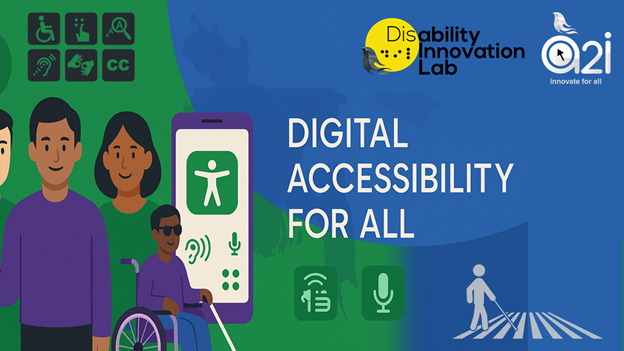
The Disability Innovation Lab (DIL), a flagship initiative under the Aspire to Innovate (a2i) Programme, is Bangladesh’s national platform for inclusive innovation, dedicated to ensuring that persons with disabilities (PWDs) are not left behind in the country’s digital transformation journey.
As a catalyst for equitable digital access, DIL is reshaping the narrative of accessibility by conducting comprehensive digital accessibility audits, fostering disability-focused innovations, and promoting strategic partnerships on digital inclusion that empower persons with disabilities across all sectors—including education, public service, financial systems, and more.
Why Disability Innovation Lab
Bangladesh has been a global pioneer in disability rights—being among the first 20 countries to sign and ratify the UN Convention on the Rights of Persons with Disabilities (UNCRPD). DIL’s work is firmly grounded in international commitments such as Article 9 (access to ICT) and Article 21 (inclusive information dissemination) of the UNCRPD, as well as the Marrakesh VIP Treaty, ratified in 2022, which enhances access to books and learning materials for persons with visual and print disabilities.
The government’s Persons with Disabilities Rights and Protection Act, 2013 ensures the rights and overall development of persons with disabilities. To advance this mandate, the ‘Digital Service and Web Designing Guideline for Inclusive Accessibility 2022’ was developed by the Information and Communication Technology Division (ICTD) of Bangladesh, aligning with global Web Content Accessibility Guidelines (WCAG) 2.1. Articles 3 and 4 of the national ICT Policy further emphasize the critical need for accessibility across all public and private digital services.
In support of these policy commitments, DIL is actively working on the localization of WCAG 2.1 in the Bangladeshi context to ensure that accessibility standards are not only met but are also culturally and linguistically relevant to local users.
Despite these forward-looking policies, innovation gaps remain. Many digital tools are still technically accessible but functionally inadequate, and persons with disabilities are often excluded from the design and decision-making process. DIL addresses these gaps by championing co-creation, human-centered design, and embedding accessibility into every layer of the digital ecosystem.
Mission
A new Bangladesh where innovation leaves no one behind.
Vision
To co-create inclusive innovative solutions with persons with disabilities using human-centered design and accessible technology.
Our Approach
DIL uses a multidimensional approach to promote digital inclusion:
1. Accessibility Audits
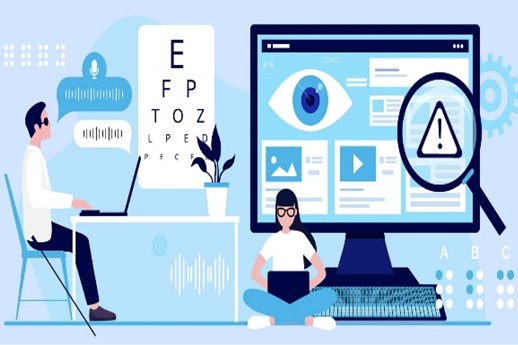
- Evaluating content, structure, navigation, and interaction
- Assessing keyboard-only usability, screen reader compatibility, and color contrast
- Identifying and fixing compliance gaps based on WCAG 2.1
2. Accessibility Testing
- Manual and automated testing
- Functional testing to ensure practical usability
3. User Feedback Loops
- Collecting insights, complaints, and suggestions directly from users
- Ensuring lived experiences of persons with disabilities shape the solutions
4. Strategic Collaborations
- Working with OPDs, universities, tech innovators, NGOs, government agencies, and other service providers
Key Areas of Work
Accessible Digital Solutions
- Ensuring government & privet websites, portals, and mobile applications are accessible to all users
Disability-Focused Innovation
- Development of inclusive tools and assistive technologies
Co-Creation and User Engagement
- Involving persons with disabilities in every stage of design and development
Capacity Development & Training
- Building awareness and skills for inclusive digital transformation
Flagship Innovations
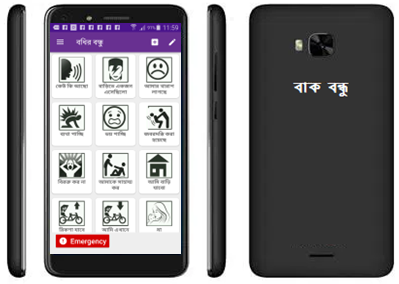
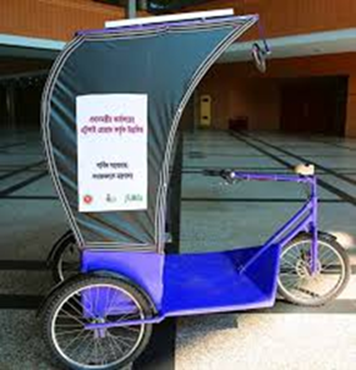

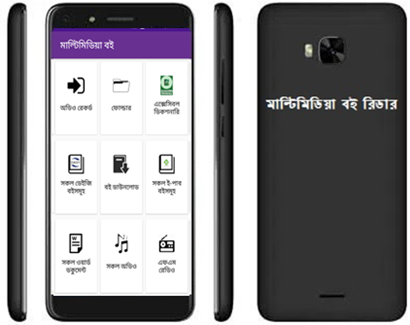
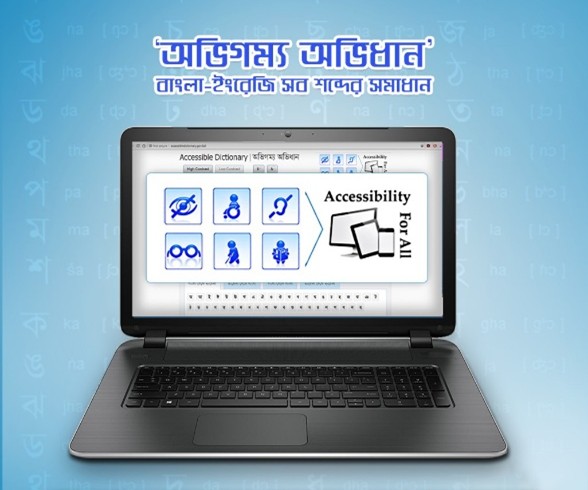
Our Impact So Far
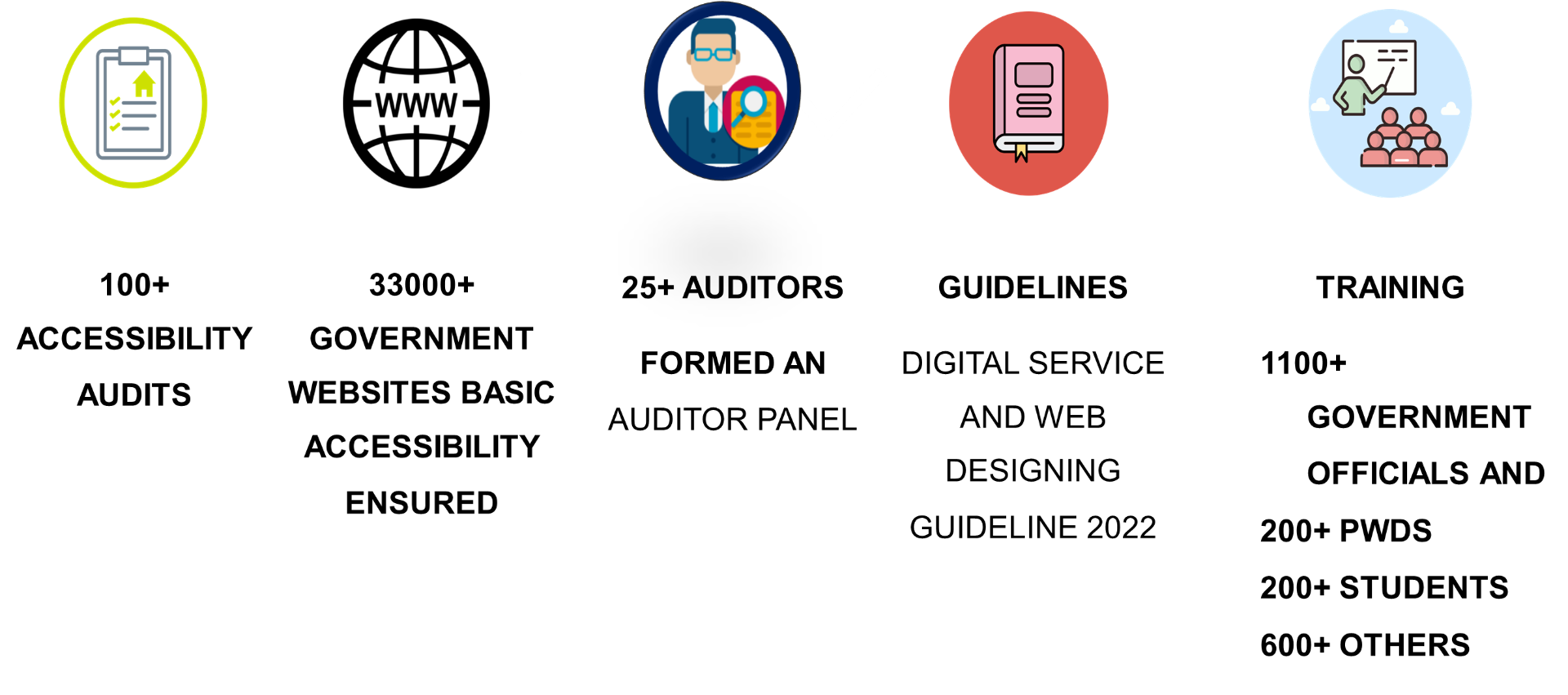
Training & Capacity Development
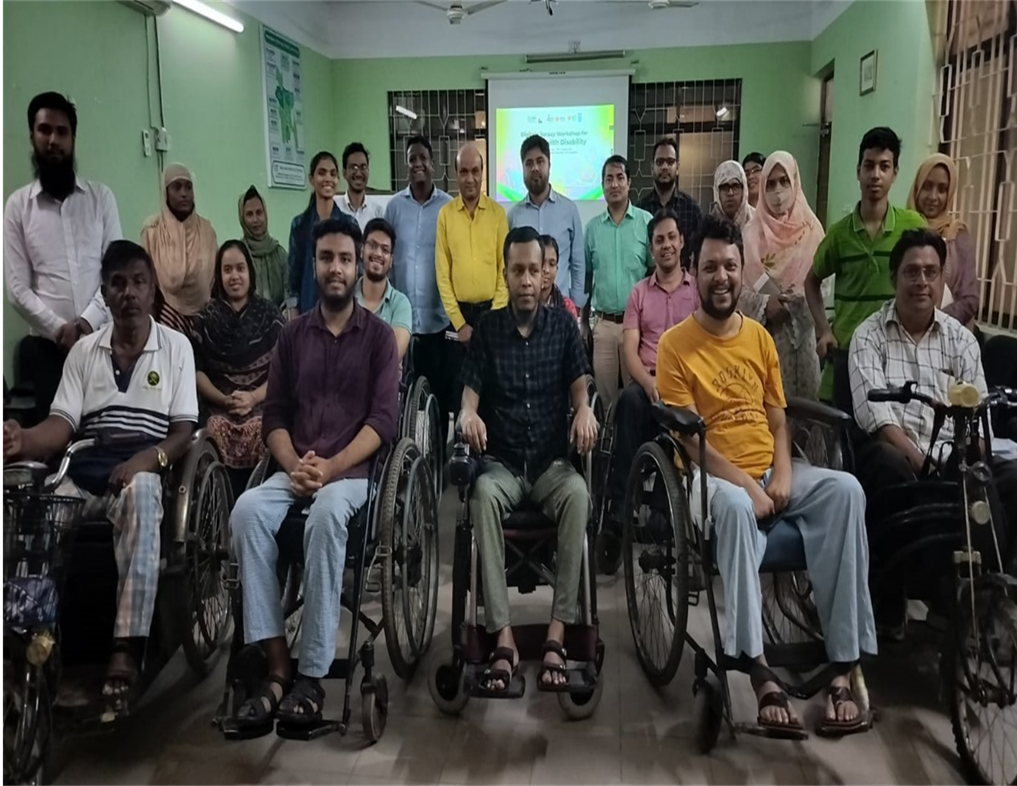
Disability & Digital Inclusion Training (DDT):
Sensitization on disability rights and digital inclusion principles
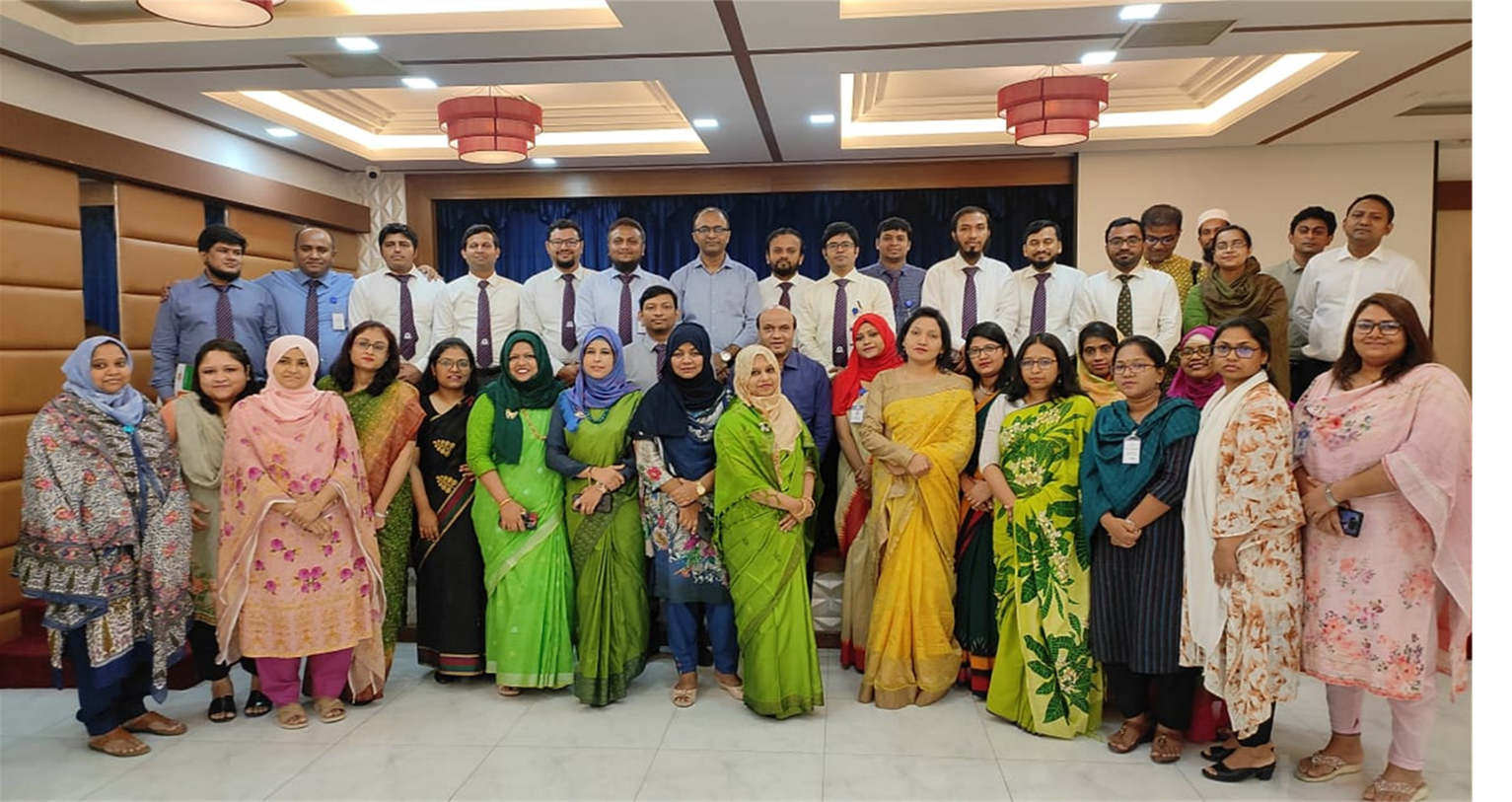
Digital Accessibility Training (DAT):
Technical training for developers and designers on accessible web and service design
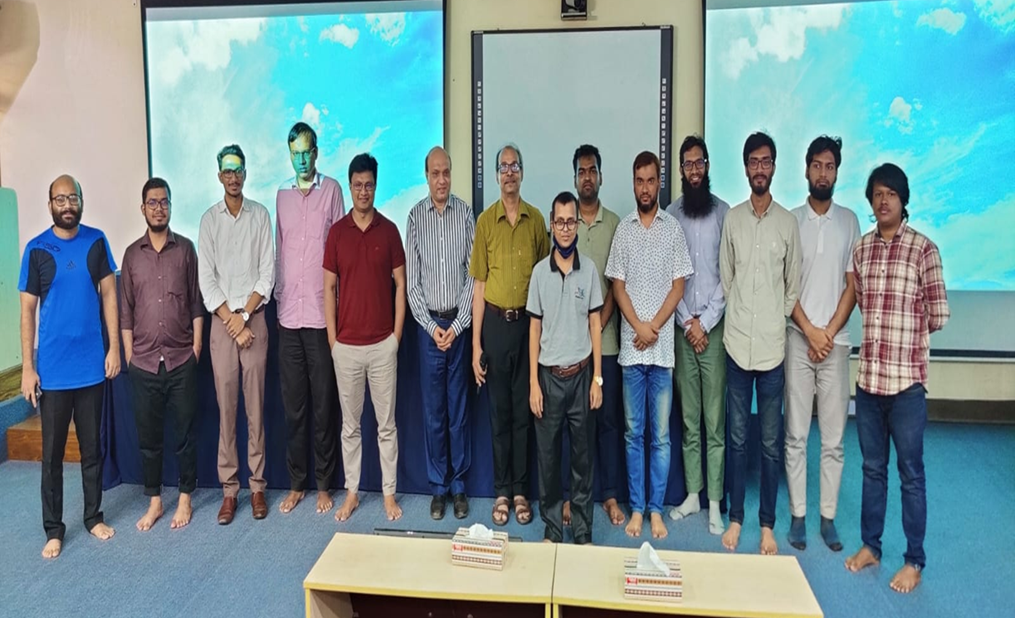
Digital Literacy Training (DLT):
Awareness and usage of assistive technologies and digital accessibility tools for end users
The Roadmap Ahead
Looking to the future, DIL envisions:
- Accelerated Assistive Technology Development via university innovation hubs
- Establishment of a National Innovation Repository
- Public Digital Service Rankings based on accessibility
- Co-Creation of Services with direct participation from persons with disabilities
- Hosting an International Summit on Inclusive Digital Transformation
- Supporting development of an Accessible Procurement Policy
Opportunities for Collaboration
DIL welcomes partnerships in areas including:
- Accessible website and mobile app development
- Inclusive e-governance and public service delivery
- Assistive technology innovation
- Digital literacy and capacity building
- Accessibility audits and compliance consulting
Sustainable Development Goals Alignment
DIL’s work directly contributes to:
- SDG 10: Reduced Inequalities
- SDG 11: Sustainable Cities & Communities
- SDG 17: Partnerships for the Goals
Join Us in Building a Digitally Inclusive Bangladesh
DIL invites innovators, technologists, policymakers, and development partners to collaborate in shaping an accessible and inclusive digital future where no one is left behind.